Be yourself; Everyone else is already taken.
— Oscar Wilde.
This is the first post on my new blog. I’m just getting this new blog going, so stay tuned for more. Subscribe below to get notified when I post new updates.
Be yourself; Everyone else is already taken.
— Oscar Wilde.
This is the first post on my new blog. I’m just getting this new blog going, so stay tuned for more. Subscribe below to get notified when I post new updates.
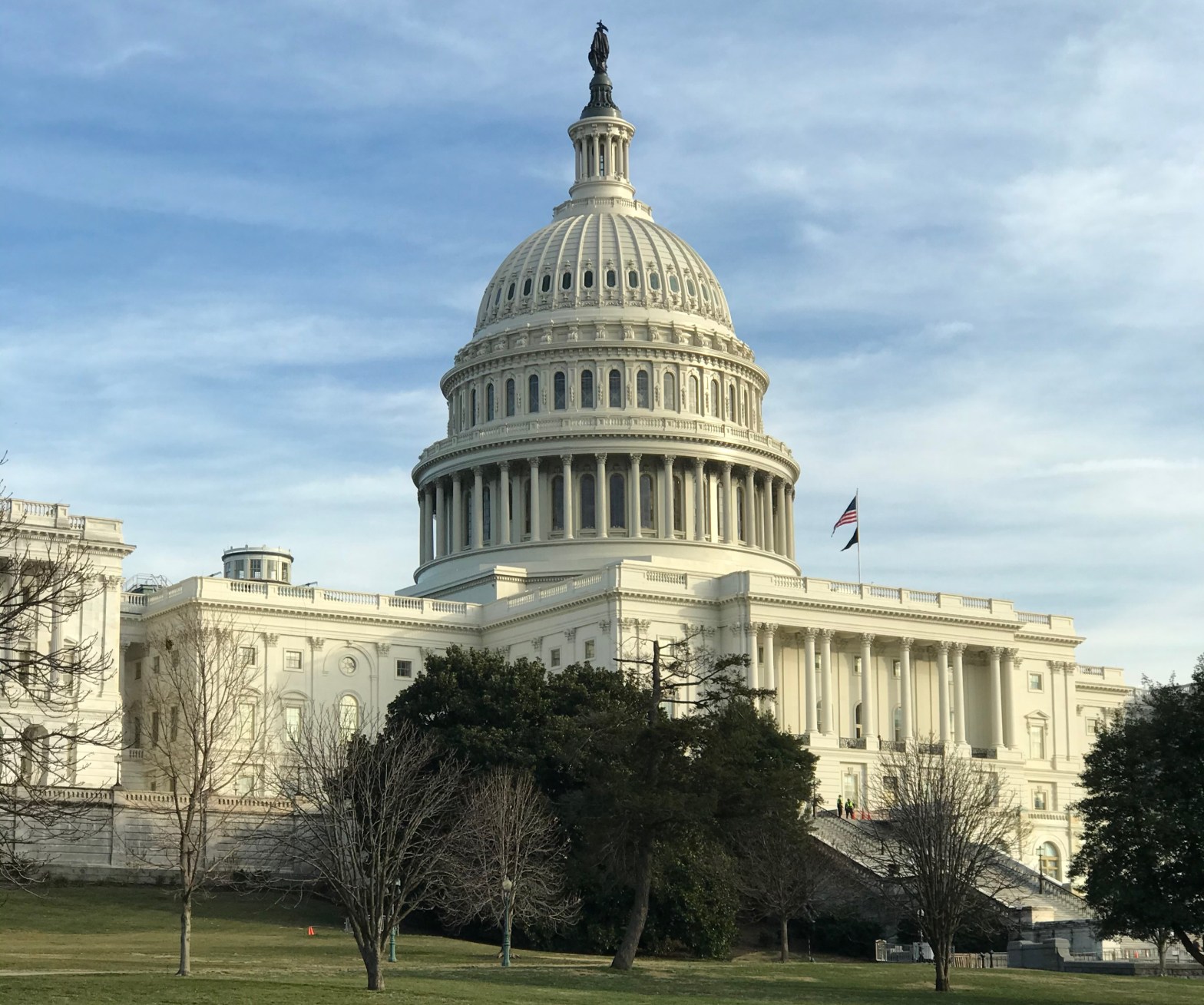
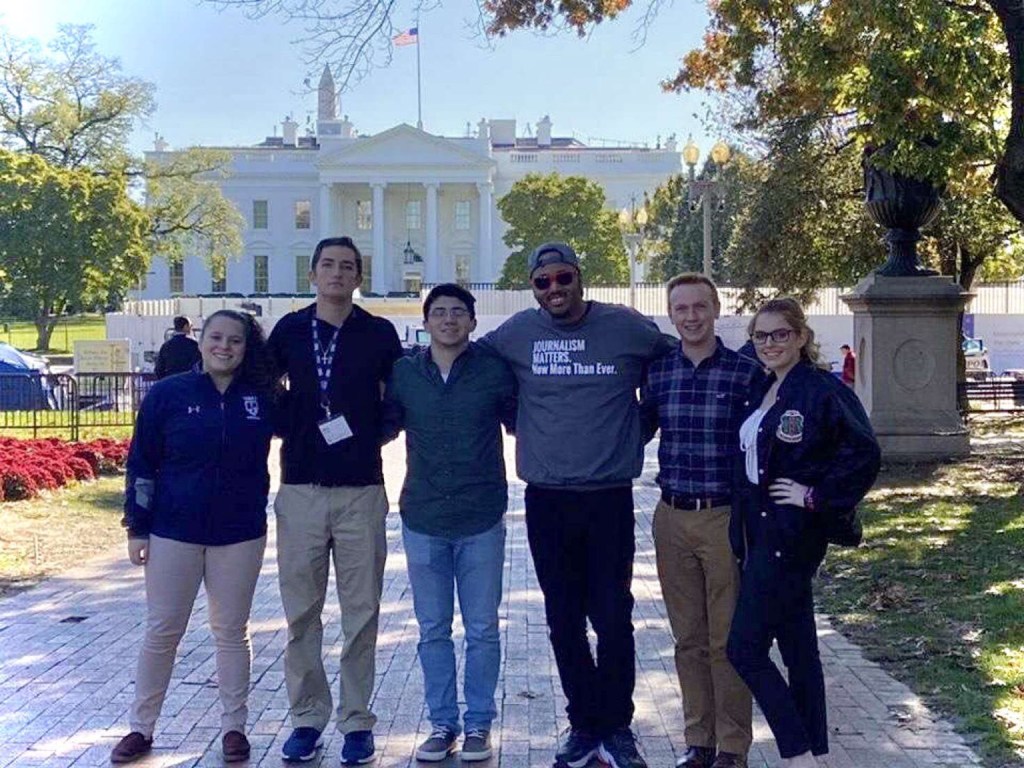
Course Description: An immersive 2-week long Washington, DC experience in which students explore social issues, the role of leadership, and commitment to civic responsibility with accomplished, informed leaders in diverse fields, such as government, media and communication, education, business, military, non-profit organizations, athletics, and the arts. This experience included listening to speakers at the Elliot School of International Affairs at George Washington University and inspiring site visits at historical places, companies, and non-profits.
What I Learned: I learned the significance of maintaining a positive relationship with those I encounter, to develop my passion and build my career from that, and to listen and take advice from others who have more knowledge and experience on specific matters. Additionally, the importance of having mentors that provide guidance regarding the matters of my life and career decisions. Many of the speakers we heard from spoke about the significance of finding your passion and then building your career off of that passion. My passion is political campaigns and government, so I will continue to study political science and be involved in the election and political process.
Experiences:
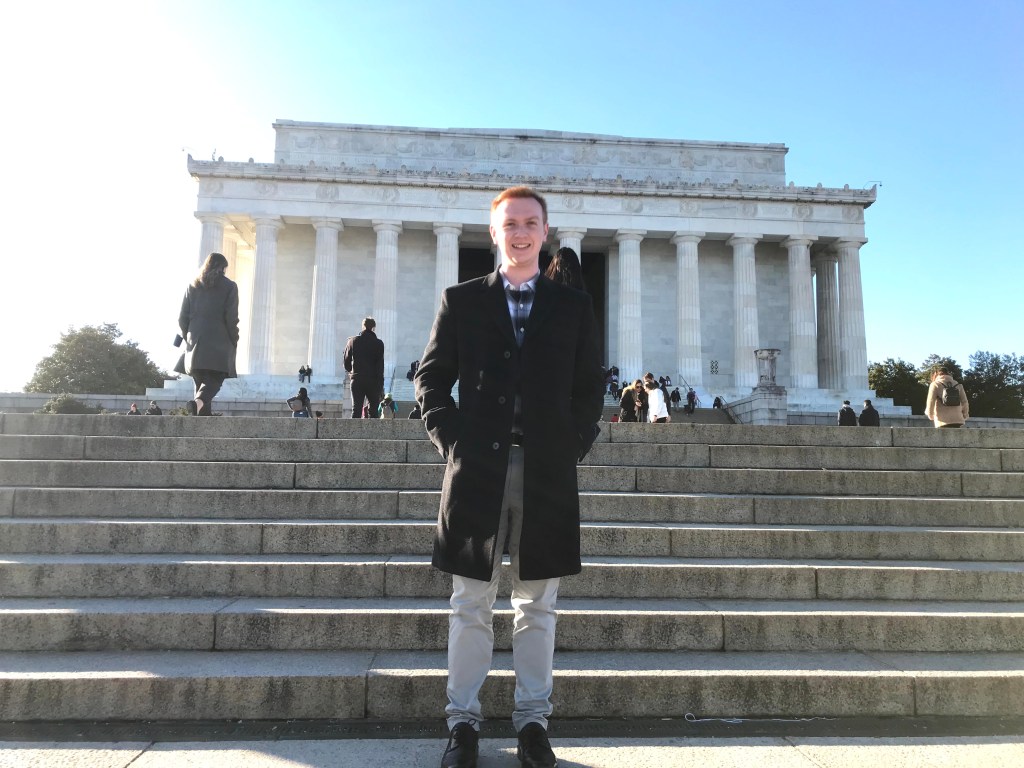
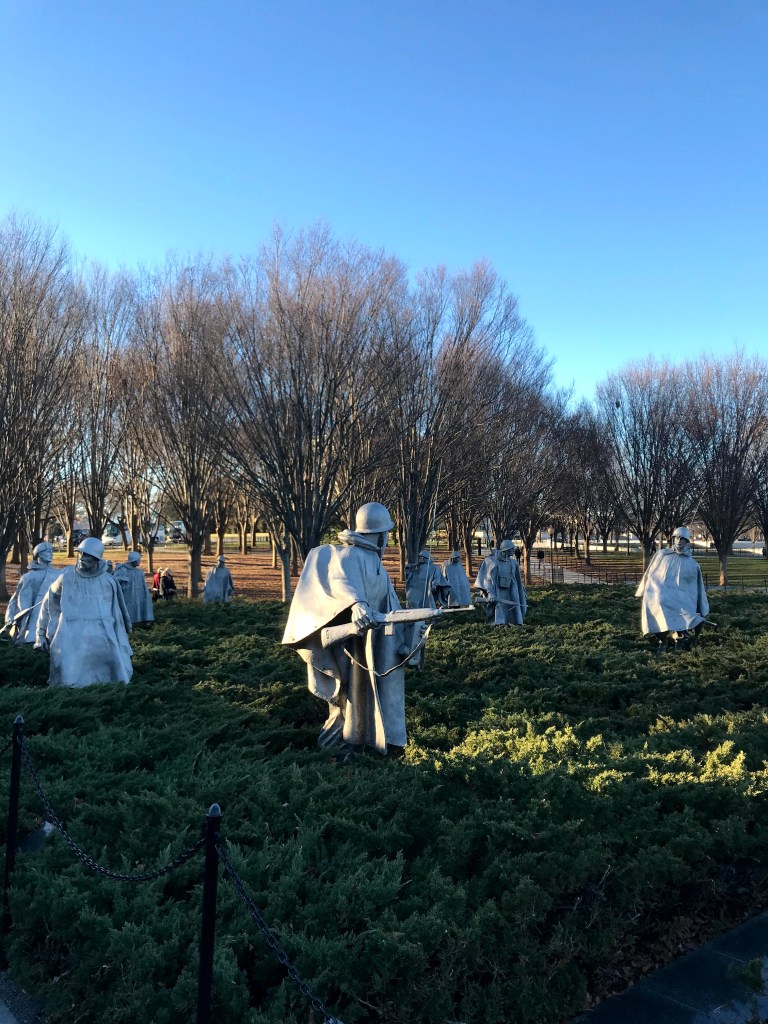

We explored the Lincoln Memorial, Vietnam War Memorial, and Korean War Memorial. These are beautiful pieces of architecture that pay respect to those who completely deserve it. I was touched by all the names written on the Vietnam War Memorial because those young men served their country to the best of their ability and I am glad that they are being honored for their service. The Korean War Memorial does not receive much attention as the others, but it is a wonderful structure. It felt amazing to be at the Lincoln Memorial and at the Reflecting Pool where so many moments of history occurred, such as MLK Jr.’s speech and the Vietnam War protests. As I look back in time, I am incredibly thankful for the American generations that came before us that fought for our country, protested for the common good, and paved the way for the present day where the United States remains the best country in the world.
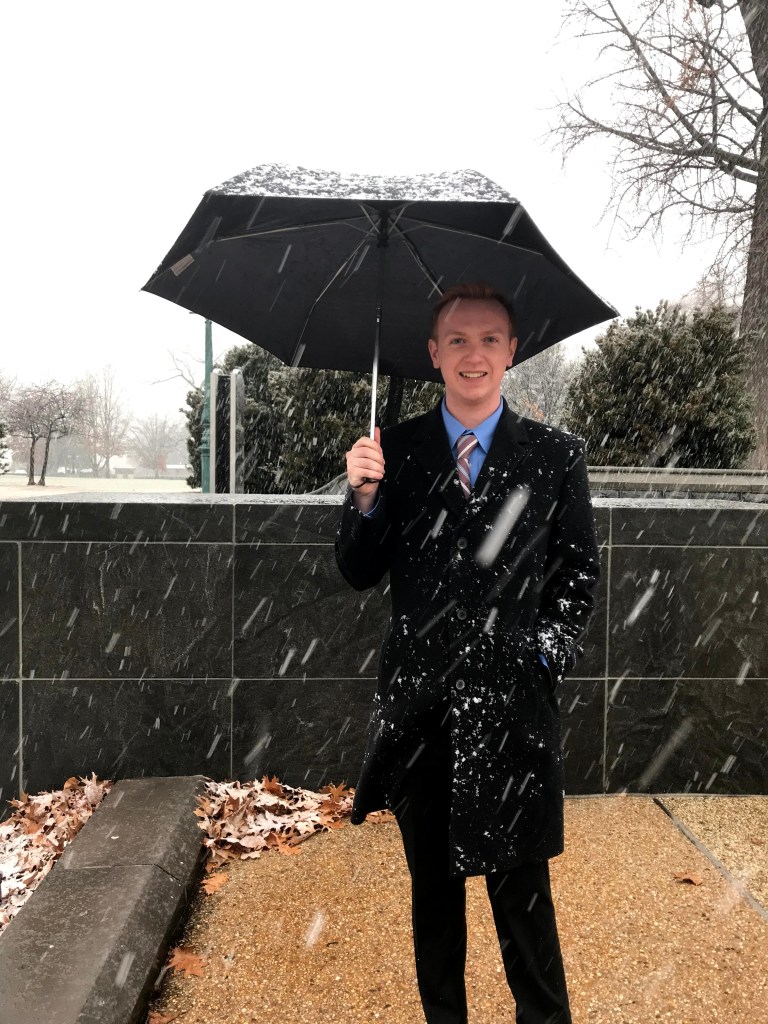
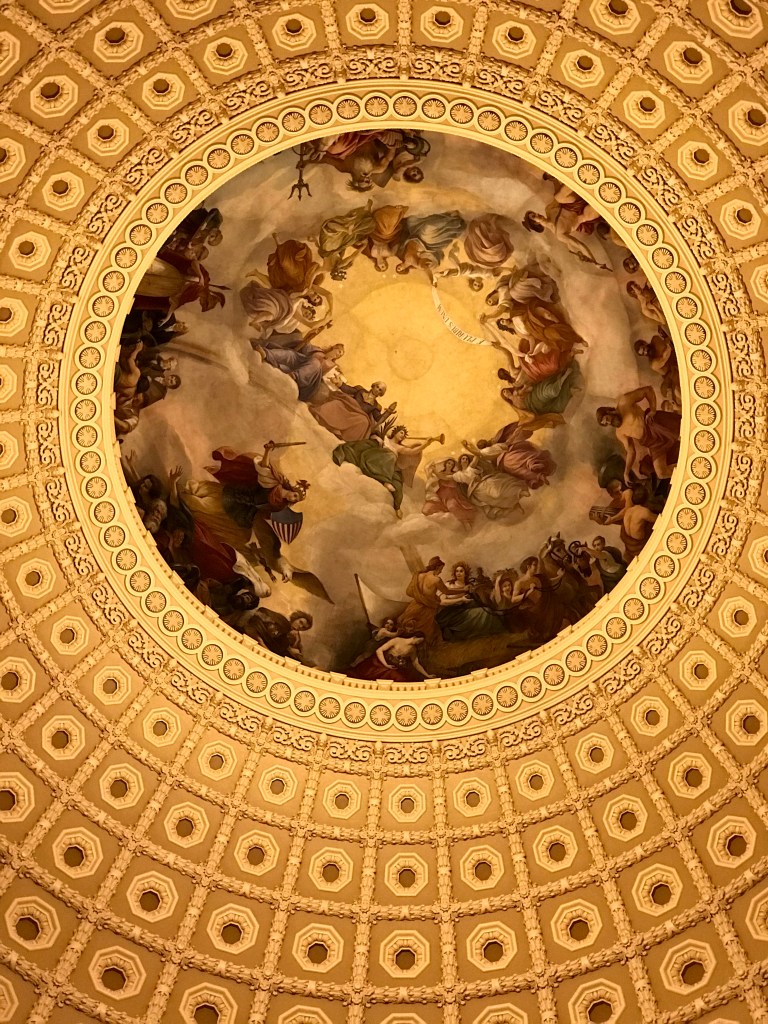
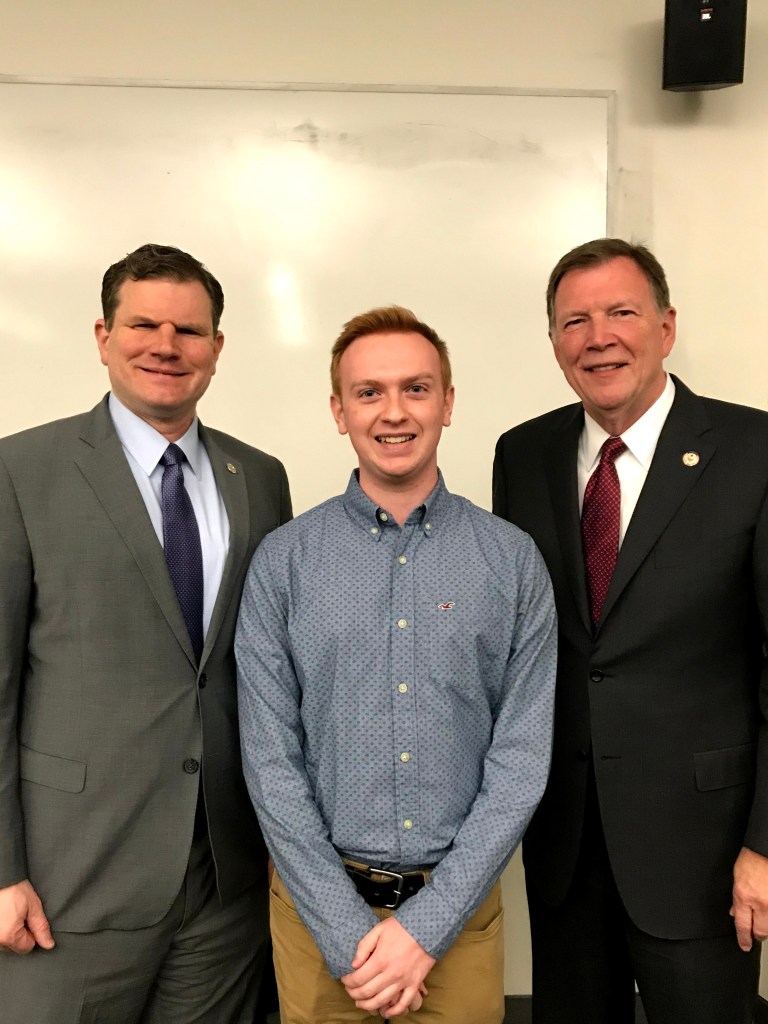
Even though we saw some snow in D.C, all of our scheduled plans continued. We had the opportunity to sit in the House Gallery and heard from 2 former congressmen. Viewing the congressman in the House Gallery was an extremely enlightening experience. I was able to see many members of Congress, for which I was able to recognize many of them. I was not expecting so many members to be talking with each other or on their phones when other members were speaking to the chamber. It does not seem like the American people are sending the best and the brightest to Washington D.C. to represent their interests. This has inspired me to continue to be involved with politics on all levels of government and maybe even be a staffer, chief-of-staff, or representative. I understand why so many Americans view Washington D.C. as corrupt and ineffective, and I would like to be able to help the country by providing a good example as something other than those thoughts. In regard to my goals for civic engagement, I hope to continue my involvement in elections on the local, state, and national level.
Both former Congressmen reflected on their times in Congress and how difficult, but rewarding the experience was. Maffei stated several pieces of advice, such as it is a lot easier to criticize than to create meaningful policy solutions. That is important to take into account when analyzing the successes and failures of the majority and minority parties in both houses of Congress. Additionally, he stated that people do not realize the unintended consequences to “simple” solutions that people sometimes propose. One thing that Maffei mentioned that I disagreed with was in regard to direct democracy and how people do not have the capability to make governmental decisions on their own, and that they must rely upon an elected representative. In my opinion, that is disregarding the views of citizens who deserve to have a say in decisions that will directly affect them. A growing trend that I have discovered between the speakers and Maffei touched on is that the American people have lost trust in institutions and no longer want to rely on expertise, an example is Donald Trump becoming president of the United States.
We also heard from Jon Porter who represented Nevada in the House of Representatives. He offered the advice of following your heart and do what is right. Additionally, Porter taught me how much money impacts the political and election cycles. He revealed that raising money was what he spent doing the most while he served as congressman. Another theme that I have heard from many of the speakers, including Porter is to seek people who you trust and stick with them. I will take that piece of advice with me at college, internships, and my future workplace.
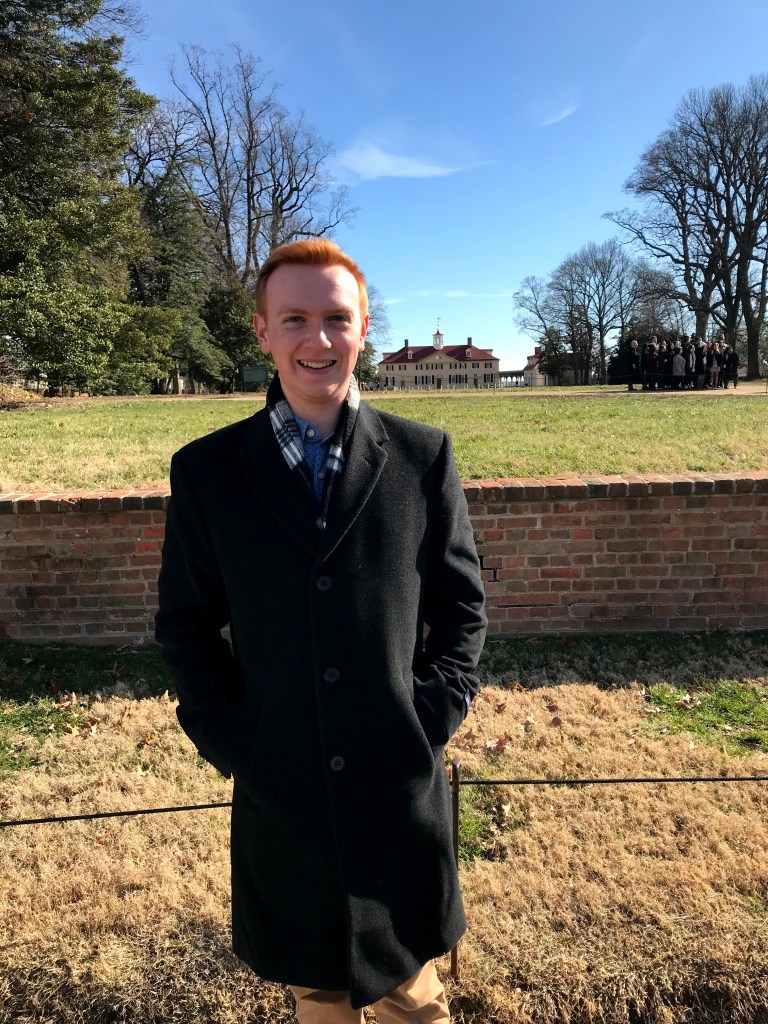
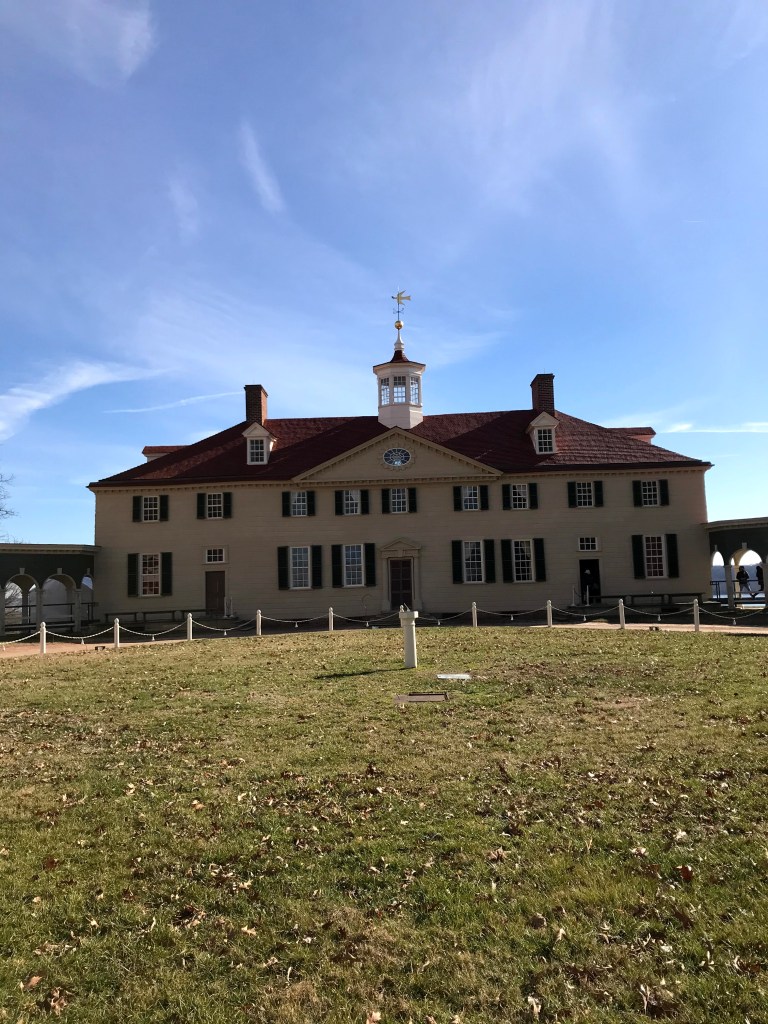
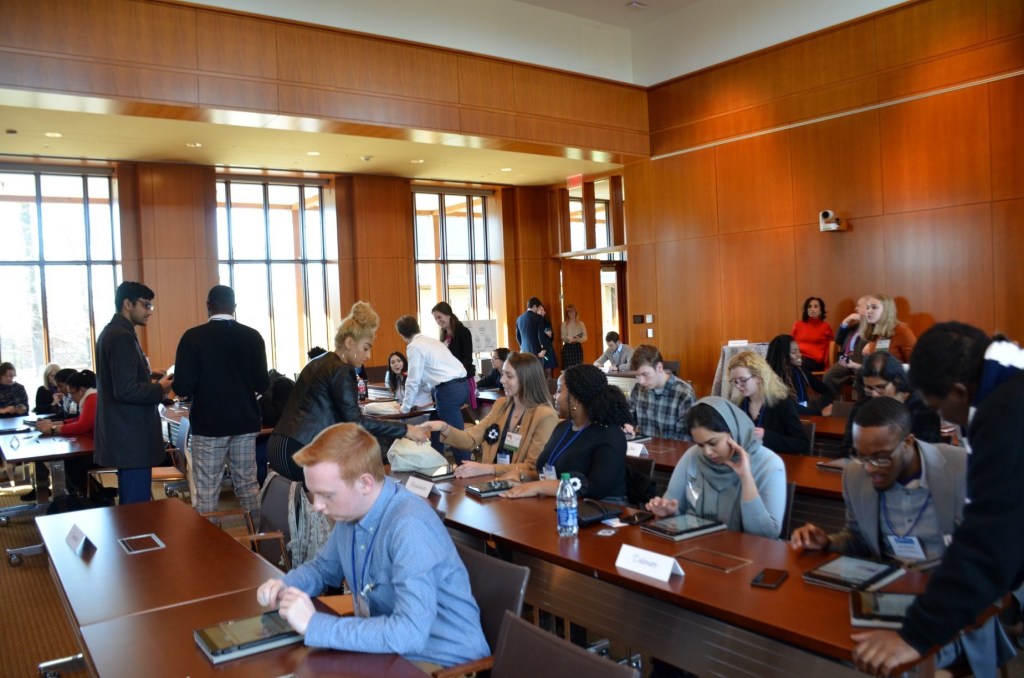
It felt amazing to walk in the same footsteps as George Washington and other notable people who have toured those grounds. I enjoyed viewing the architecture and paintings in the house. I was extremely interested in the story that the tour guide told about how during the Civil War, the north and south agreed to make Mount Vernon neutral ground. I am proud of our older generations that understood the importance of preserving that land, so that future generations could view it.
I heavily enjoyed the simulation where I acted as President Pro Tempore of the Senate, Senator Langdon from New Hampshire. Each student was given a role of either a senator, a member of the president’s cabinet, or ambassador. I liked interacting with the other students while passing bills and solving crises, such as determining tariff policies, the possible creation of a national army, and war with Britain. During that experience, I began to understand how difficult the job of someone in the legislative or executive branches who face tough decisions each day. I will definitely keep that in mind when I question a politician’s decision-making.
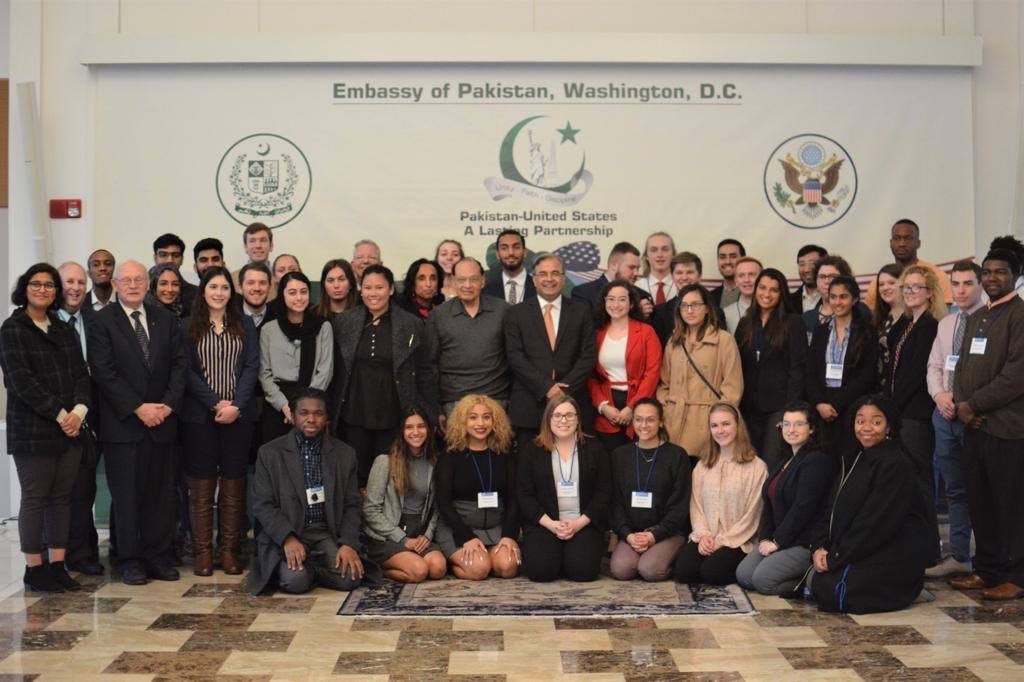
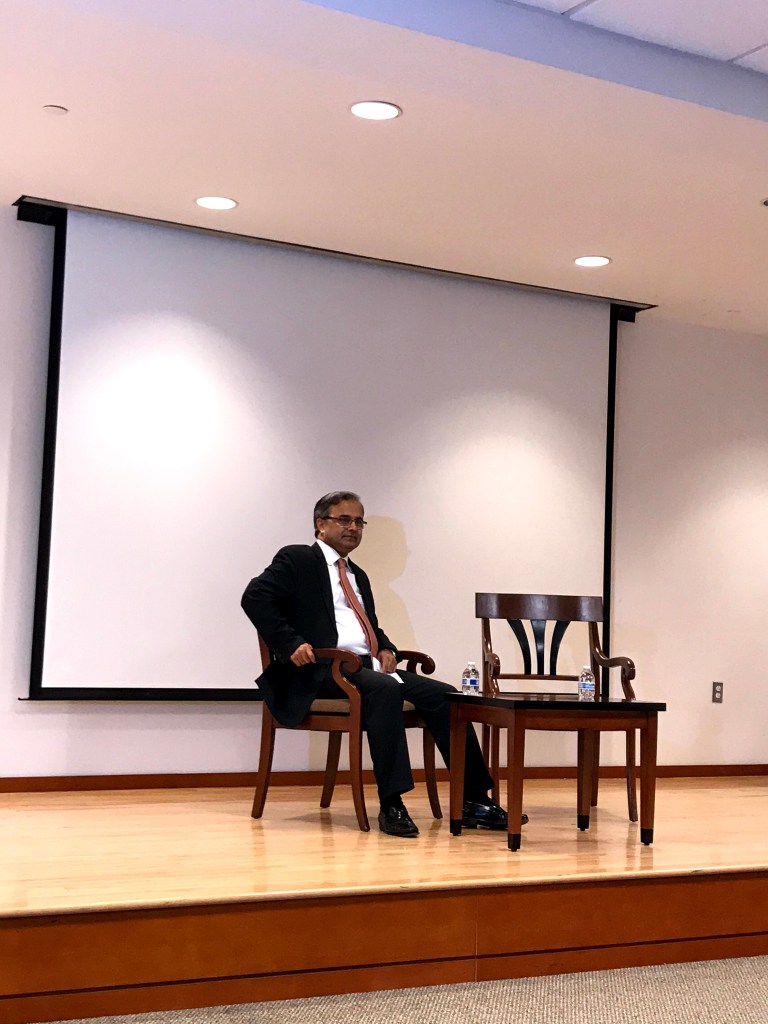
We visited the Embassy of Pakistan and heard the Ambassador, H.E. Dr. Asad Majeed Khan speak about his foreign service career and the importance of maintaining peace in the world, specifically in the Middle East. I did not know what to expect from that experience, but it was extremely valuable. I appreciated having the opportunity to see what other people do in the embassy. It was interesting to hear directly from the Ambassador who has a tremendous amount of experience as working in the foreign service of Pakistan. He stated that the relationship between the United States and Pakistan is a positive one under President Trump, and he hopes that continues. I learned that the Embassy of Pakistan looks after the interests of Iran in the United States.
Conclusion: This experience has deeply affected me because it has reaffirmed that I want my future career to be related to politics and government. My participation in this experience has changed my outlook on life and I hope to have a positive impact on my community and world. I learned to always try my best in all that I do and the rest will work out. Sometimes I may fail, but those failures will provide me with valuable lessons and experiences. I think about my future often regarding my future family and career, but hearing the life stories of the speakers provided me with the comfort of not having everything figured out at a young age.
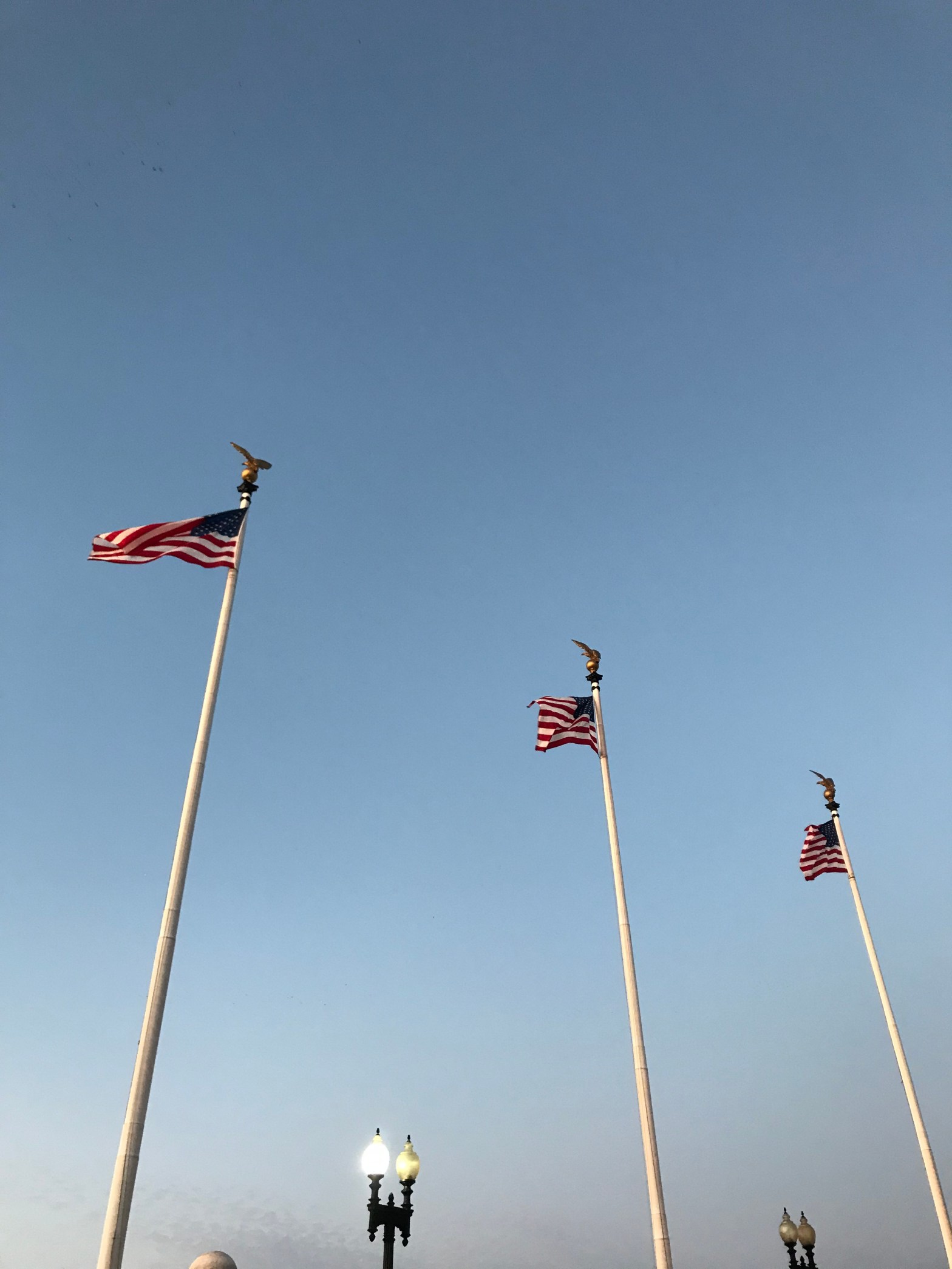
This conference was held at the Grand Hyatt Hotel in Washington D.C. from Thursday, Oct. 31 to Sunday, Nov. 3. The Marlin Chronicle staff invited me as a workshop writer to attend the conference with the editors. I learned many things from this conference, from how a presidential photographer works, tips for improving interviews, and advice from news reporters who are currently working in the field of journalism.

Photographing Politics in the Trump Era – Al Drago
Al Drago works as a free-lance photographer, which means he is employed by several news organizations such as Bloomberg and The New York Times. During this session, Al Drago repeatedly gave the advice that college students should experience as many internships as they can. He spoke about the press pool process, which is used as a group of news gathering organizations that combine their resources in the collection of news if they all cannot cover the same event. Drago began photographing President Trump during the Republican Primary in Iowa in 2015. He realized that Trump had a real shot at winning because of the excitement of his supporters.
Inside Story of Covering Trump’s White House – Executive Editor Rob Bluey and White House Correspondent Fred Lucas (Daily Signal)
These two speakers work for the Daily Signal, which is the news outlet of the Heritage Foundation. They are more focused on policy issues, rather than other topics. Fred Lucas is the White House Correspondent and stated that he believes President Trump is more accessible and open to questions than President Obama was. He receives notice of Trump’s schedule a day before, it is subject to change at a moment’s notice. Lucas and Bluey both said that Trump’s tweets drive the message of the day, and that sometimes they are serious, but other times are ridiculous. They questioned whether he is crafty or does he have no filter. They said the answer to both is yes. They stated President Trump uses Twitter to distract the media and change the narrative.
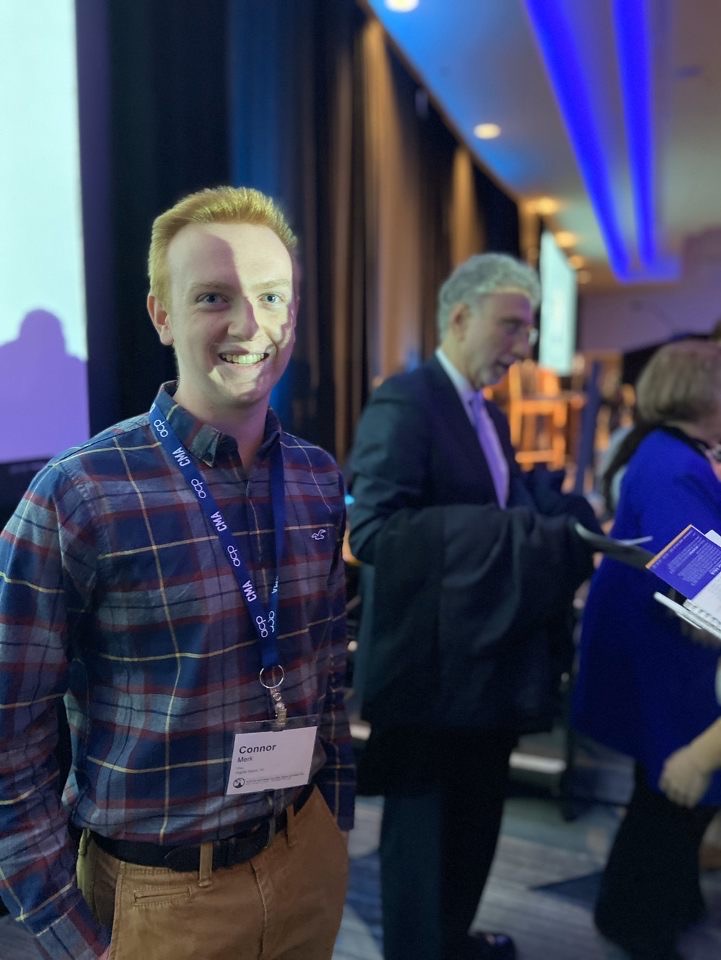
Keynote Speaker: Executive Editor of The Washington Post Marty Baron
Marty Baron began his speech with recognizing that journalism has not been an easy profession. President John Adams implemented the Sedition Act, which shutdown many newspapers and jailed many writers. President Woodrow Wilson implemented the Espionage Act and another Sedition Act, which limited the freedom of the press. He stated that the press exists to hold the government accountable and to hold all powerful people and institutions accountable. In his opinion, the mission of journalism is to provide people the information they need and deserve to know. Baron tells his staff of 850 that they are not at war with this administration, but they are at work with this administration. He wants his newsroom to have people with broad backgrounds, people who have grown up on farms, served in the military, from evangelical colleges, not just coastal elite universities. The main mission is to write about all people, and the struggles they face and their perspective of the world. He also stated that diversity in the newsroom because it is extremely important to have a variety of life experiences, and they do that through active recruiting. He said that 30% of the staff are people of color and that political ideology will never be asked about. His advice for young journalists is to recognize that it is a 9-to-5 job and to say yes if asked to do something. They want to see energy, creativity, and curiosity of the world.
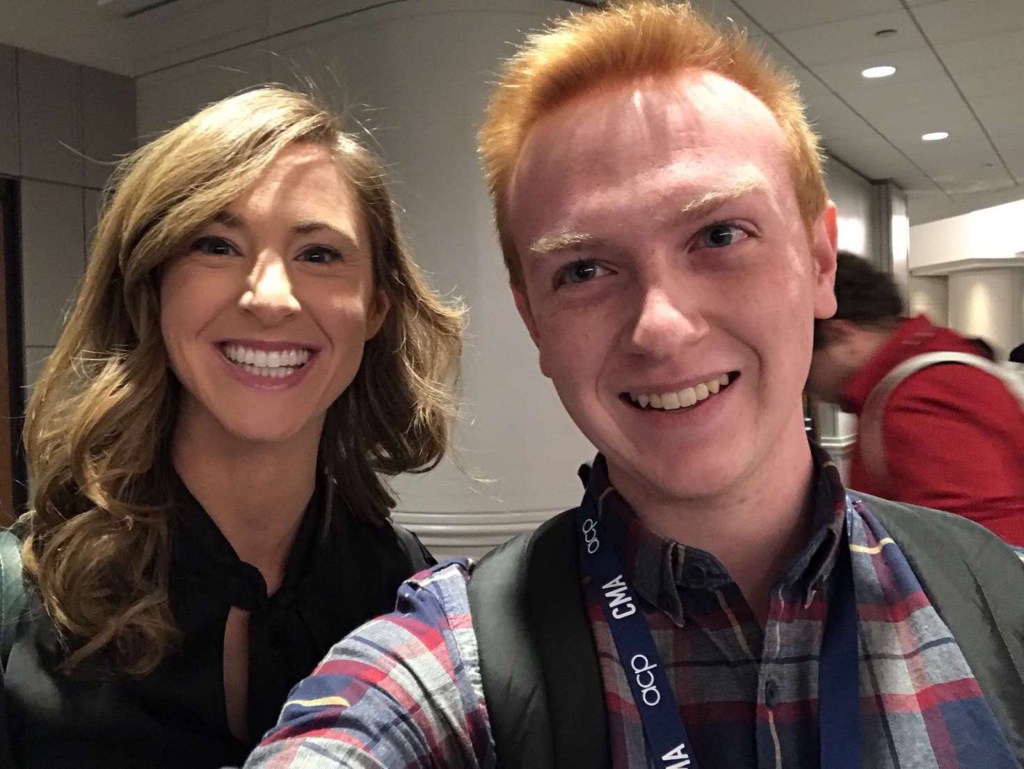
From Campus Newsroom to White House – White House Reporter Kathryn Watson (CBS News)
Kathryn Watson provided a lot of advice in regard to aspiring journalists, which included who you know is everything, mesh professional and personal lives, and reach out to journalists that we respect. Also, to play the long game, treat everyone well, and to stay in touch. In regards to an internship, Watson states to work like you are full time employee set 2 or 3 meaningful goals for published work, and find ways to be helpful. Additionally, she said to amass followers now, so that when we have content to share, we have people to spread it. I asked Watson the question, “Who in the White House is your favorite to interview?” She responded with Director of the National Economic Council Larry Kudlow because he is always willing to answer many questions and is happy to answer them.
Improve Your Interviews – Dr. Steve Thurston of Montgomery College
Dr. Thurston spoke about the process of interviewing and advice regarding interviews. He stated we have the responsibility of convincing people we interview to talk to us because they do not have to. We should get specific information from that person, and that it should be a conversation, and not an interrogation. One of the main goals is to be accurate more than anything. He stated to get the full story and be professional through a process of asking, listening, and repeating. It is also important to keep people’s humanity in mind, and we don’t always have to grill or be harsh.
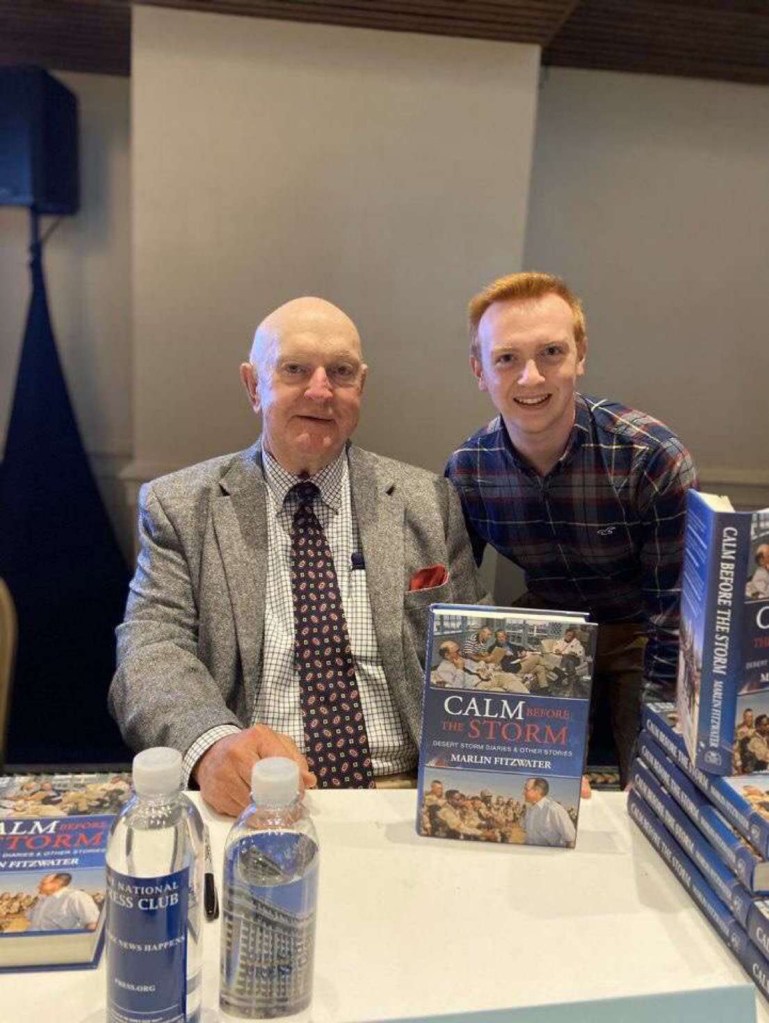
I spoke with Marlin Fitzwater at The National Press Club Book Fair & Author’s Night. I asked him a question regarding President Trump no longer holding the press briefings and he replied saying he didn’t have a choice. He added that President Trump is like his own press secretary. He believes that whoever succeeds Trump, they will reinstate the traditional press briefing.
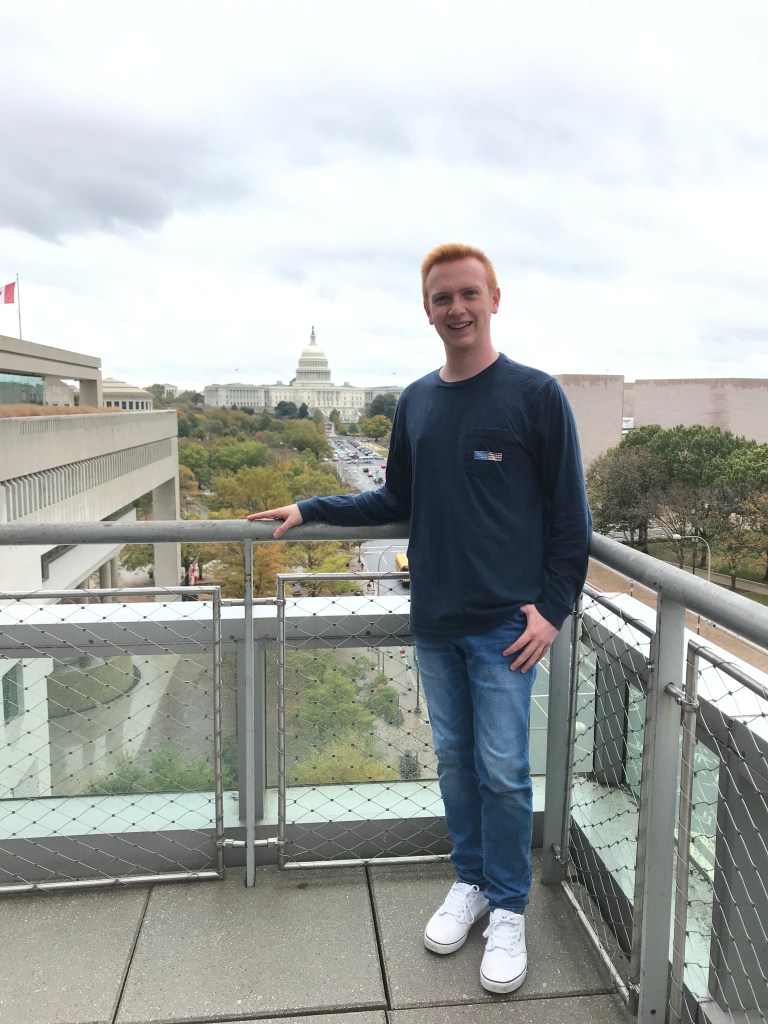
I visited the Newseum because it is closing on December 31, 2019. It is a wonderful museum filled with many interesting artifacts and important, relevant information for visitors. My favorite exhibits were the 9/11 Gallery, which included artifacts from The World Trade Center and Pentagon, News Corporation News History, which included newspapers from the most famous events of American History and World History, and Rise Up: Stonewall and the LGBTQ Rights Movement, which provides the history of the gay rights movement and how that movement harnessed the power of public protest and demonstration to change laws.
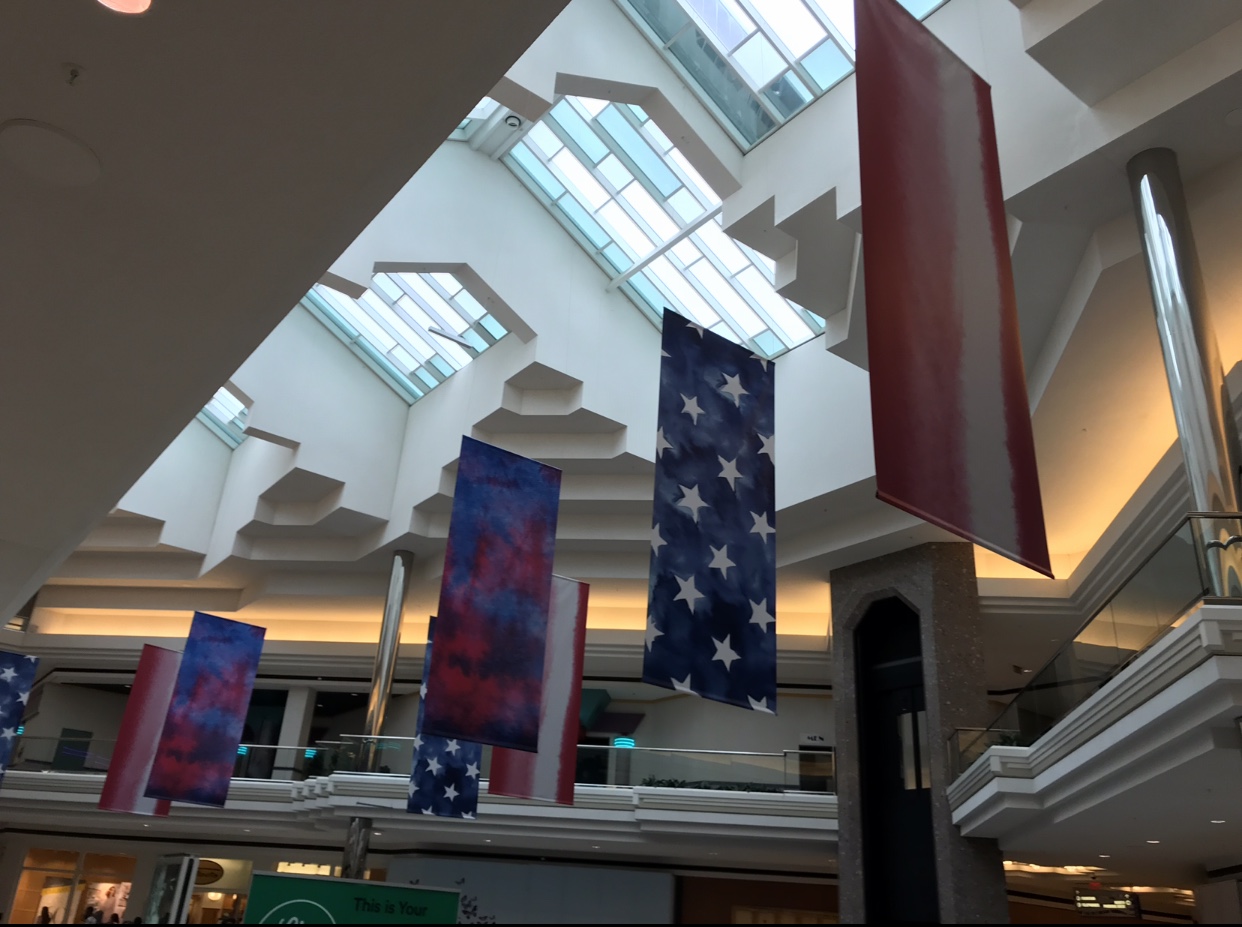
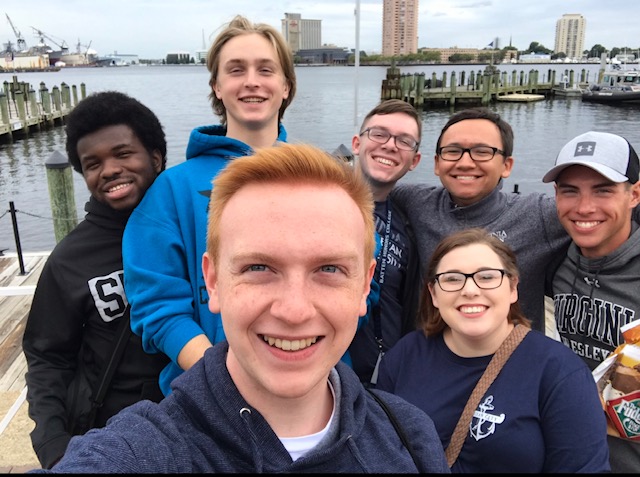
As we boarded the Tide, I did not know what to expect when arriving in Norfolk. I am from Stafford, Virginia and have never been to this city. The first landmark we saw was The MacArthur Memorial building. This building displays several flags and has the architecture of a structure in Washington D.C.
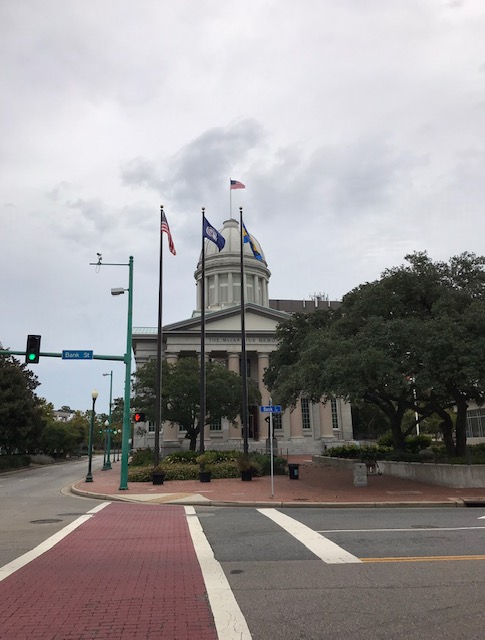
Next, my group went to the Waterside District. We went to a sports bar where many adults were having a great time with their friends. This when I first began seeing a particular theme that is seen throughout the city of Norfolk, which is American symbols. Located in this building is an enormous American flag, which can be seen from all areas of the restaurant. We also came across a hallway that featured photographs of sailors. This is when I pieced together that this area is going to be very patriotic because of the military presence in the population’s everyday life.
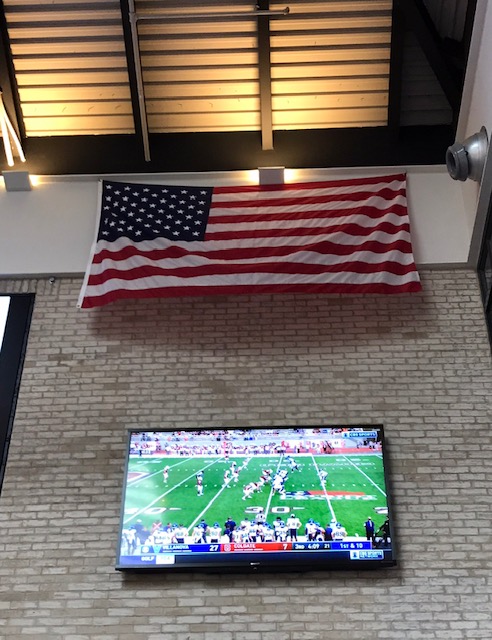
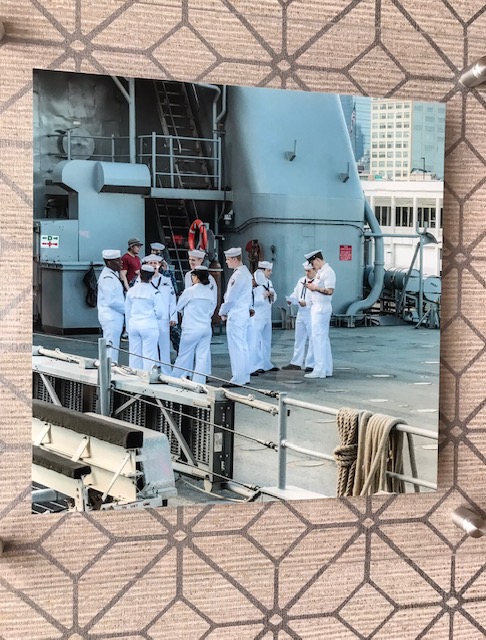
Later, we continued to walk along the path of the water when we came across the Town Point Park. This park featured many walkways for people to enjoy the area within close proximity to the water. My group came across a Norfolk native who was walking her dog. We asked her what her favorite places to go in the city were. One of her responses was the Pagoda & Oriental Garden, which also included a bakery. She was very polite to us and the conversation we had was one of the highlights of my day.
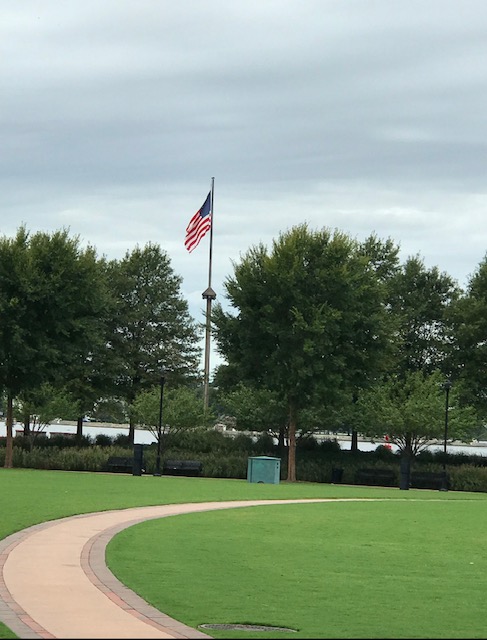
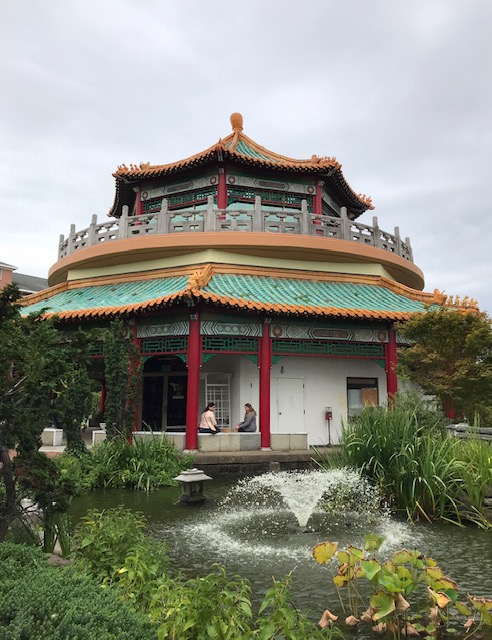
Then, we walked through residential housing to get to the bakery in the garden. The building was oriental themed and some members of the group purchased macaroons. From listening to other customers around us, they spoke very highly of them and even compared them to something people could find in Europe.
Lastly, we explored the MacArthur center, which featured many stores that would appear in a typical mall. The theme of America continued in the shopping center with banners attached to the ceiling that pieced together and created the American flag. There was also many art pieces that were presented in the center, such as the American flag painting.
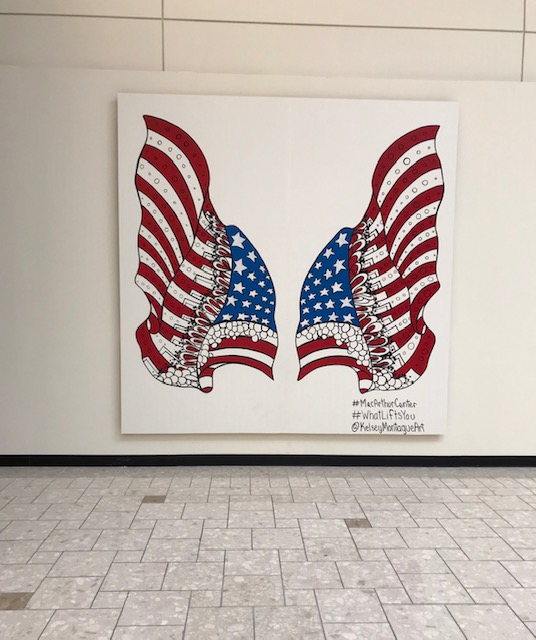
In conclusion, Norfolk was the perfect place to become closer with other members from the Honors College. Also, it was wonderful to see the continued theme of American symbols throughout each of the places we explored.
This is an example post, originally published as part of Blogging University. Enroll in one of our ten programs, and start your blog right.
You’re going to publish a post today. Don’t worry about how your blog looks. Don’t worry if you haven’t given it a name yet, or you’re feeling overwhelmed. Just click the “New Post” button, and tell us why you’re here.
Why do this?
The post can be short or long, a personal intro to your life or a bloggy mission statement, a manifesto for the future or a simple outline of your the types of things you hope to publish.
To help you get started, here are a few questions:
You’re not locked into any of this; one of the wonderful things about blogs is how they constantly evolve as we learn, grow, and interact with one another — but it’s good to know where and why you started, and articulating your goals may just give you a few other post ideas.
Can’t think how to get started? Just write the first thing that pops into your head. Anne Lamott, author of a book on writing we love, says that you need to give yourself permission to write a “crappy first draft”. Anne makes a great point — just start writing, and worry about editing it later.
When you’re ready to publish, give your post three to five tags that describe your blog’s focus — writing, photography, fiction, parenting, food, cars, movies, sports, whatever. These tags will help others who care about your topics find you in the Reader. Make sure one of the tags is “zerotohero,” so other new bloggers can find you, too.

 Connor Merk's BHC Blog